


In the realm of sustainable agriculture, few names resonate as powerfully as Anne Mottet. As a global leader in livestock development and agroecology, Anne Mottet has dedicated her career to transforming food systems to be more sustainable, resilient, and equitable. With over two decades of experience, her work at prestigious organizations like the International Fund for Agricultural Development (IFAD) and the Food and Agriculture Organization (FAO) has made her a pivotal figure in addressing pressing global challenges such as climate change, food security, and environmental sustainability. This blog explores how Anne Mottet is shaping the future of agriculture and why her contributions are vital for a sustainable world.
Who is Anne Mottet?
Anne Mottet is a renowned agronomist and livestock development expert with a Ph.D. in Agro-ecosystems from INP Toulouse and an MSc in Agronomy from AgroParisTech. Her academic foundation in life sciences, economics, and policy evaluation has equipped her to tackle complex issues in agricultural systems. As the Global Lead for Livestock at IFAD, Anne Mottet spearheads initiatives that promote sustainable farming practices, particularly in low- and middle-income countries. Her expertise spans livestock policies, natural resource management, and climate change mitigation, making her a sought-after voice in international policy dialogues.
Anne Mottet’s journey began with research at INRA, followed by a role at the Institut de l’Elevage, where she analyzed the competitiveness of bovine and ovine supply chains. Today, her work focuses on reconciling economic growth with environmental stewardship, ensuring that agriculture supports both people and the planet. Whether it’s through her leadership in global forums or her research on sustainable food systems, Anne Mottet is a trailblazer in agroecology.
Anne Mottet’s Contributions to Sustainable Agriculture
Sustainable agriculture is about balancing productivity with environmental and social considerations, and Anne Mottet has been at the forefront of this movement. Her work emphasizes agroecology, a science and practice that integrates ecological principles into farming to enhance resilience and sustainability. One of her most significant contributions is the development of the Tool for Agroecology Performance Evaluation (TAPE), a framework designed to assess the multidimensional performance of agroecological systems. TAPE evaluates factors like environmental impact, health, nutrition, and governance, helping farmers and policymakers transition to sustainable practices.
Through TAPE, Anne Mottet and her collaborators have provided a standardized way to measure how agricultural systems align with the Sustainable Development Goals (SDGs). This tool has been piloted across various regions, proving its versatility in diverse agroecosystems. By focusing on the 10 Elements of Agroecology adopted by the FAO, Anne Mottet ensures that farming practices not only boost productivity but also protect biodiversity, reduce greenhouse gas emissions, and improve livelihoods.
Tackling Climate Change Through Livestock
Livestock production is often criticized for its environmental footprint, but Anne Mottet challenges this narrative by highlighting its potential for sustainability. Her research, including the influential report Tackling Climate Change Through Livestock (2013), co-authored with the FAO, provides a global assessment of emissions and mitigation opportunities in livestock supply chains. This work underscores how well-managed livestock systems can contribute to climate change mitigation while supporting food security.
Anne Mottet has also been instrumental in developing tools like the Global Livestock Environmental Assessment Model (GLEAM), which quantifies greenhouse gas emissions and identifies pathways for reducing environmental impacts. Her insights have helped countries like Kyrgyzstan and Lesotho adapt livestock systems to climate change, ensuring that rural communities can thrive in challenging conditions. By advocating for sustainable livestock management, Anne Mottet is redefining the role of animal-source foods in healthy and environmentally friendly diets.
Why Anne Mottet’s Work Matters
The global food system faces unprecedented challenges: climate change, population growth, and resource scarcity threaten food security, particularly in vulnerable regions. Anne Mottet’s work addresses these issues head-on by promoting practices that are both productive and sustainable. Her research on the feed/food debate, for instance, dispels myths about livestock competing with human food resources, showing that animals can play a complementary role in sustainable diets.
Through her role at IFAD, Anne Mottet supports rural communities by enhancing access to markets, improving value chains, and promoting sustainable farming techniques. Her efforts empower smallholder farmers, women, and youth, ensuring that agriculture remains a viable livelihood for future generations. By bridging science, policy, and practice, Anne Mottet is helping to create a world where food systems are resilient, inclusive, and environmentally sound.
The Global Impact of Anne Mottet’s Advocacy
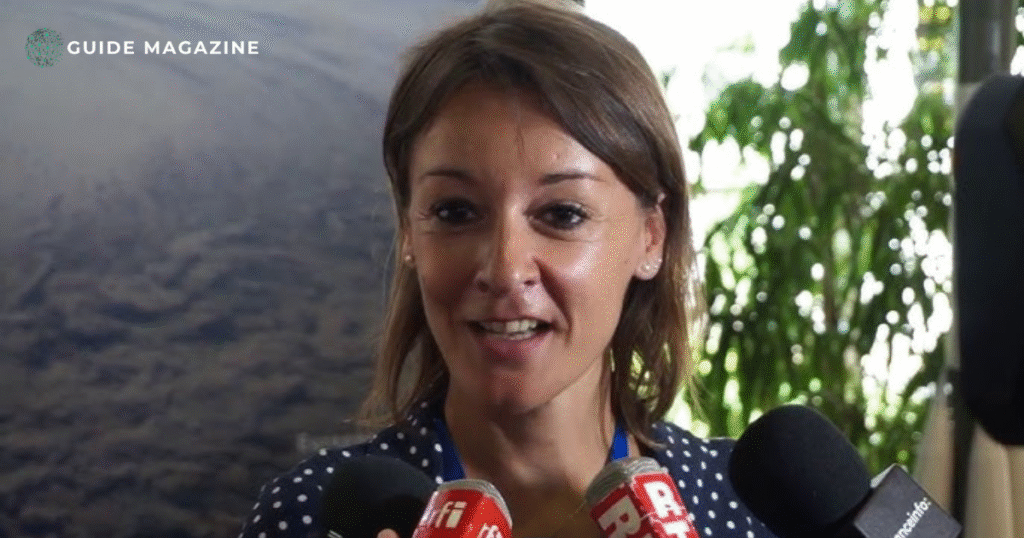
Anne Mottet is not just a researcher; she is a global advocate for sustainable agriculture. As a member of the French Academy of Agriculture and a frequent speaker at international forums, she influences policy on food security and climate change. Her lectures at institutions like AgroParisTech, ETH Zurich, and SciencePo Paris inspire the next generation of agricultural leaders. Her multilingual skills (fluent in French, English, Spanish, and Italian) enable her to connect with diverse stakeholders, fostering collaboration across borders.
Her publications, cited over 11,000 times, reflect her profound impact on the academic and policy communities. From analyzing land-use changes in the Pyrenees to assessing global poultry production, Anne Mottet’s work provides actionable insights for policymakers and practitioners alike. Her holistic approach ensures that sustainability is not an abstract goal but a practical reality for farmers worldwide.
How Anne Mottet Inspires the Future of Farming
For anyone searching for “Anne Mottet” or “Anne Mottet sustainable agriculture,” her legacy is clear: she is a champion of a future where farming nourishes both people and the planet. Her work with TAPE, GLEAM, and other tools provides a roadmap for transitioning to agroecological systems. By addressing searcher queries like “What does Anne Mottet do?” or “How does Anne Mottet contribute to sustainable farming?”, it’s evident that her contributions are both practical and visionary.
As the world grapples with the dual challenges of feeding a growing population and mitigating climate change, Anne Mottet’s leadership offers hope. Her commitment to evidence-based solutions, participatory processes, and inclusive policies ensures that agriculture can be a force for good. Whether you’re a farmer, policymaker, or advocate, Anne Mottet’s work serves as an inspiration to build a more sustainable future.
FAQs
Q1. Who is Anne Mottet?
Anne Mottet is a leading agronomist and Global Lead for Livestock at IFAD, driving sustainable agriculture and agroecology worldwide.
Q2. What is Anne Mottet’s role in sustainable agriculture?
She promotes sustainable farming through tools like TAPE and research on livestock’s role in climate change mitigation.
Q3. How does Anne Mottet contribute to climate change solutions?
Anne Mottet’s work, including the GLEAM model, helps reduce livestock emissions while ensuring food security.
Q4. What is the Tool for Agroecology Performance Evaluation (TAPE)?
Developed by Anne Mottet, TAPE assesses agroecological systems’ impact on sustainability, health, and governance.
Q5. Why is Anne Mottet’s work important for global food systems?
Her research and advocacy empower farmers, enhance resilience, and align agriculture with environmental and social goals.
Conclusion
Anne Mottet is more than a name in sustainable agriculture—she is a catalyst for change. Her pioneering work in agroecology, livestock sustainability, and policy advocacy is helping to reshape global food systems. By leveraging tools like TAPE and GLEAM, Anne Mottet provides the evidence and frameworks needed to make agriculture more resilient and equitable. For those looking to understand the future of farming, Anne Mottet’s contributions are a beacon of innovation and hope.
