


On December 4, 2024, a shocking incident at Ilford station in East London shook the nation, sparking widespread outrage and reigniting debates about public safety and workplace protection. The tragic death of Jorge Ortega, a 61-year-old Elizabeth Line worker, at the hands of Ayodele Jamgbadi, has become a somber symbol of the dangers faced by frontline workers in the UK. This heart-wrenching event, now known as the Ilford station attack, has left communities grieving, unions demanding action, and policymakers scrambling to address the growing concerns over workplace violence in the UK. In this article, we dive deep into the Ayodele Jamgbadi case, exploring its implications, the public’s response, and the urgent need for change to protect transport employees.
The Tragic Incident at Ilford Station
The Elizabeth Line worker assault took place on a seemingly ordinary Wednesday evening when Jorge Ortega, a dedicated customer experience assistant, was violently attacked at Ilford station around 8:50 PM. Ortega, described by his family as “the kindest soul you could have the pleasure of meeting,” suffered severe head injuries and was rushed to the hospital. Despite the efforts of paramedics and London’s Air Ambulance, he tragically passed away two days later on December 6, 2024. The suspect, Ayodele Jamgbadi, a 28-year-old Ilford resident, was arrested shortly after the incident and initially charged with grievous bodily harm (GBH) charges, affray, and possession of a prohibited offensive weapon.
Following Ortega’s death, the charges against Ayodele Jamgbadi were amended to include murder and affray, reflecting the severity of the crime. Jamgbadi appeared at Highbury Corner Magistrates’ Court on December 6 and was remanded in custody, with his next hearing scheduled for January 7, 2025, at Inner London Crown Court. This UK criminal law murder case has drawn significant attention, not only for its brutality but also for what it reveals about the vulnerabilities of transport workers who serve the public daily.
Timeline of the Ilford Station Attack
| Date | Event |
| December 4, 2024 | Jorge Ortega is assaulted at Ilford station at approximately 8:50 PM. |
| December 6, 2024 | Ortega succumbs to his injuries in the hospital. Ayodele Jamgbadi charged. |
| January 7, 2025 | Jamgbadi’s scheduled hearing at Inner London Crown Court. |
A Devoted Worker and a Heartbreaking Loss
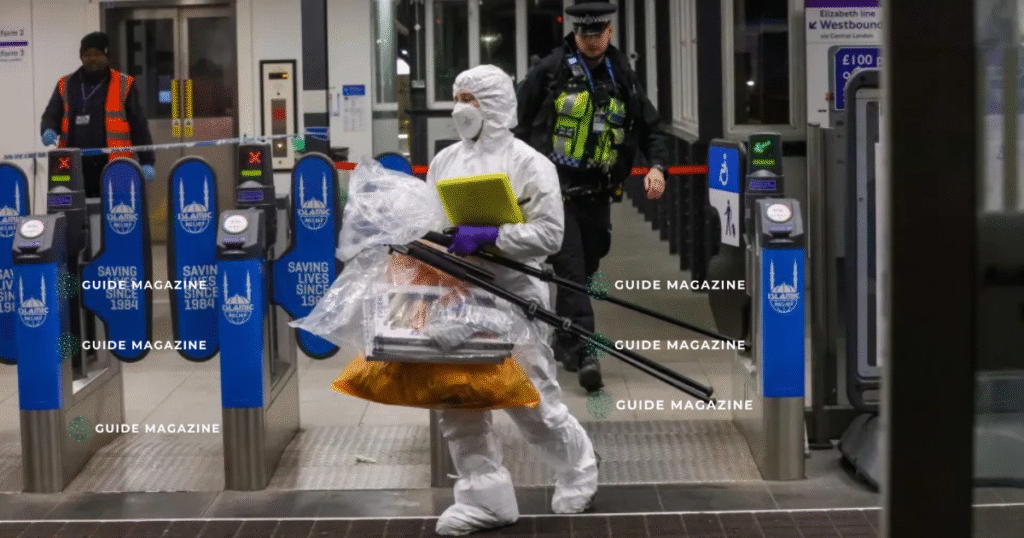
Jorge Ortega was more than just an Elizabeth Line employee; he was a beloved husband, father, and grandfather who had served the railway community for over 24 years. Known for his warm smile, passion for art, and dedication to his family, Ortega’s death has left an irreplaceable void. His son’s tribute, released through the British Transport Police (BTP), paints a picture of a man who “loved his grandchildren” and was “totally devoted to our mum” for over 38 years. The senseless nature of the attack has fueled the justice for Jorge campaign, with the #JusticeForJorge hashtag trending on social media platforms like X, where communities have rallied to honor his memory.
Public vigils in Ilford have been held to commemorate Ortega, with flowers laid at the station and a one-minute silence observed by Transport for London (TfL) on December 11, 2024. The overwhelming grief has been compounded by the stark realization that Ortega lost his life simply for doing his job—helping Londoners navigate their daily commutes.
Public and Political Reactions to the Ayodele Jamgbadi Case
The Ayodele Jamgbadi case has sparked a firestorm of reactions from public figures and organizations, highlighting deep-seated public safety concerns in London. Prime Minister Keir Starmer described the incident as “absolutely tragic,” emphasizing that “nobody should have to face any violence at work.” His statement reflects a growing national debate on workplace safety, particularly for frontline workers who face unpredictable risks daily. Similarly, Mayor Sadiq Khan expressed his devastation, noting, “My thoughts are with the family, friends, and colleagues of Jorge Ortega, who went to work to help Londoners but tragically never got to go home.” Transport for London’s reaction was equally heartfelt, with Managing Director Mike Bagshaw calling the loss “unimaginable” and pledging support for Ortega’s family.
The RMT union, of which Ortega was a member, has been vocal in its response, with General Secretary Mick Lynch stating, “This senseless act of violence highlights the unacceptable abuse faced by rail staff.” Unions are now demanding stronger worker protections, including tougher penalties for attacks on staff and policy reform for frontline workers. The media coverage of the Ayodele Jamgbadi case has further amplified these calls, with outlets like The Guardian, BBC, and The Independent detailing the tragedy and its broader implications.
Key Statements from Public Figures
- Prime Minister Keir Starmer: “Nobody should have to face any violence at work—and certainly not something as shocking as this.”
- Mayor Sadiq Khan: “There is no place for such violence anywhere in our city.”
- RMT Union (Mick Lynch): “We are deeply saddened by the passing of our member… The whole union sends its condolences.”
The Bigger Picture: Workplace Violence in the UK
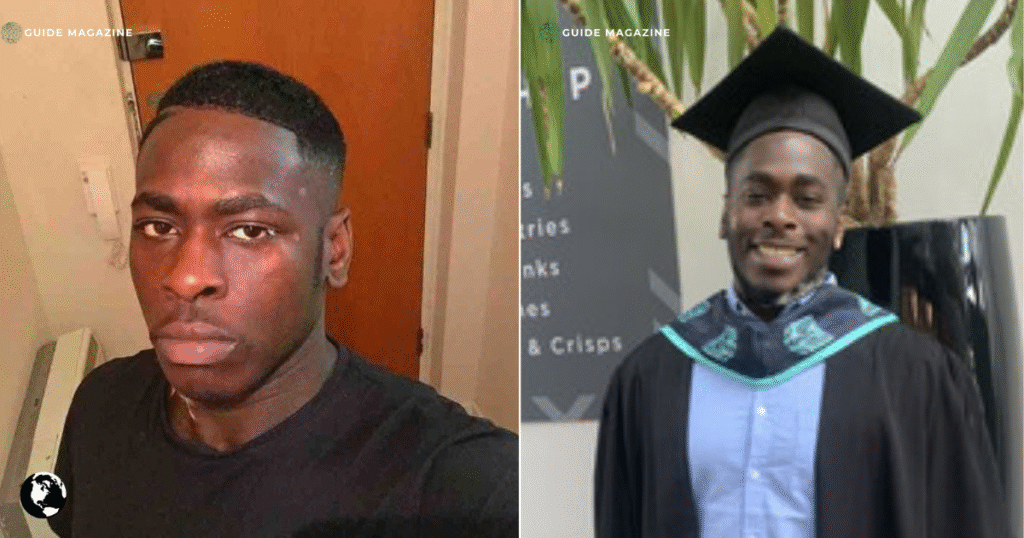
The Ayodele Jamgbadi case is not an isolated incident but part of a troubling trend of workplace violence in the UK, particularly within the transport sector. Frontline workers, like those on the Elizabeth Line, often interact with large crowds in high-pressure environments, making them vulnerable to volatile situations. The tragic Jorge Ortega death has brought renewed focus to the need for frontline worker protection and transport worker safety. According to the Transport Salaried Staffs’ Association (TSSA), this incident “underscores the urgent need to expand BTP and make offences against transport workers a specific crime.”
Unions and advocacy groups are pushing for a range of workplace security measures, including:
- Body-worn cameras in public safety: Equipping transport workers with cameras to deter attacks and provide evidence.
- AI surveillance for transport hubs: Implementing advanced monitoring systems to enhance security.
- Employee support programs: Offering mental health resources and training to help workers cope with high-risk environments.
- Tougher penalties for attacks on staff: Advocating for stricter legal consequences to deter violence.
These measures aim to address the systemic issues that leave transport employees exposed to harm, sparking a national debate on workplace safety and the need for comprehensive policy reform.
Mental Health and Violence Prevention: A Critical Connection
While the motive behind Ayodele Jamgbadi’s actions remains unclear, the incident has prompted discussions about mental health and violence prevention. Could early intervention or better access to mental health resources have prevented this tragedy? Experts argue that addressing underlying psychological or social factors is crucial to reducing such incidents. The Ayodele Jamgbadi case serves as a grim reminder that protecting transport employees requires a multifaceted approach, combining security enhancements with proactive mental health support for both workers and the public.
The Road to Justice and Systemic Change
As the legal proceedings against Ayodele Jamgbadi continue, with a preliminary hearing set for February 24, 2025, and a provisional trial date of July 20, 2025, the nation watches closely. The murder charges in London carry significant weight, and the outcome of this case could set a precedent for how attacks on frontline workers are handled under UK criminal law. The justice for Jorge campaign continues to gain momentum, with communities and unions alike calling for systemic changes to ensure no worker faces such a fate again.
The Ayodele Jamgbadi case is a stark wake-up call, exposing the vulnerabilities of those who keep our cities running. It’s a tragedy that demands action—action to honor Jorge Ortega’s memory, to protect transport workers, and to ensure that no one else loses their life simply for doing their job. As public vigils in Ilford continue and the #JusticeForJorge hashtag spreads, the hope is that this heartbreaking loss will lead to meaningful change, making workplaces safer for all.
Why This Matters to You

Whether you’re a commuter, a transport worker, or simply someone concerned about public safety concerns in London, the Ayodele Jamgbadi case touches us all. It’s a reminder of the sacrifices made by frontline workers and the urgent need to protect them. By supporting initiatives like body-worn cameras, AI surveillance, and stronger legal protections, we can help create a safer environment for those who serve our communities. Stay informed, join the conversation, and let’s work together to ensure justice for Jorge and a safer future for all.
FAQs
1. What happened during the Ilford station attack involving Ayodele Jamgbadi?
Ayodele Jamgbadi allegedly assaulted Elizabeth Line worker Jorge Ortega at Ilford station on December 4, 2024, leading to Ortega’s tragic death.
2. Who was Jorge Ortega, and how has his death impacted the community?
Jorge Ortega, a 61-year-old dedicated transport worker, was mourned as “the kindest soul,” sparking vigils and calls for better worker safety in London.
3. What charges does Ayodele Jamgbadi face in the Jorge Ortega case?
Ayodele Jamgbadi faces murder and affray charges, upgraded from initial grievous bodily harm charges after Ortega’s death.
4. How have public figures responded to the Ayodele Jamgbadi case?
Prime Minister Keir Starmer and Mayor Sadiq Khan condemned the attack, emphasizing the need for workplace safety and justice for Jorge.
5. What changes are being demanded after the Ilford station tragedy?
Unions and advocates are pushing for tougher penalties, body-worn cameras, and AI surveillance to protect transport workers from violence.
Conclusion
The Ayodele Jamgbadi case is a heartbreaking reminder of the risks transport workers face daily, exposing gaps in workplace safety that demand urgent action. Jorge Ortega’s tragic death has ignited a movement for tougher penalties, better protections, and mental health support to safeguard frontline workers. As the #JusticeForJorge campaign grows, it’s clear that this tragedy must catalyze meaningful policy reform to ensure no one else loses their life simply for serving the public. Let’s honor Ortega’s legacy by building a safer, more compassionate society for all who keep our cities running.
