


Air travel is one of the safest modes of transport in the world, yet incidents like emergency landings always capture attention. Recently, EasyJet flight emergency landing situations have made headlines, leaving travelers curious about what triggers such maneuvers and how passengers should respond. In this article, we provide a complete guide to EasyJet emergency landings, covering causes, procedures, passenger experiences, and safety protocols.
What is an Emergency Landing?
An emergency landing occurs when a pilot must land an aircraft as soon as possible due to unexpected technical, medical, or environmental issues. Unlike routine landings, these situations require immediate coordination with air traffic control (ATC) and on-ground emergency services. EasyJet flight emergency landing incidents can range from minor technical faults to medical emergencies on board.
Emergency landings are classified into two main categories:
- Precautionary Landing: This is a preemptive measure taken when a potential issue is detected but is not immediately dangerous.
- Forced Emergency Landing: This happens when a serious risk threatens the safety of passengers, crew, or aircraft integrity.
Common Causes of EasyJet Emergency Landings
EasyJet operates hundreds of flights daily across Europe. While emergency landings are rare, they can occur due to several reasons:
1. Technical or Mechanical Issues
Aircraft undergo rigorous maintenance, but technical malfunctions can still happen. Common mechanical issues include:
- Engine problems
- Hydraulic or electrical failures
- Landing gear malfunctions
- Cabin pressure irregularities
For instance, a sudden drop in cabin pressure often forces pilots to descend rapidly and make an emergency landing at the nearest airport to ensure passenger safety.
2. Medical Emergencies
Medical emergencies on board are another leading cause. Examples include:
- Heart attacks or strokes
- Severe allergic reactions
- Loss of consciousness
Pilots are trained to divert to the nearest suitable airport for immediate medical attention.
3. Severe Weather Conditions
Flights encountering turbulence, thunderstorms, or fog may perform emergency landings. Pilots assess weather forecasts in real-time and choose safe landing options to avoid accidents.
4. Bird Strikes or Foreign Object Damage
Birds striking the aircraft or debris on the runway can damage engines or critical parts. Such events require prompt landing procedures.
How EasyJet Handles Emergency Landings
EasyJet prioritizes passenger safety above all. Their crew undergoes intensive training to handle emergencies efficiently. The emergency landing process includes:
Pre-Landing Procedures
- Notification to ATC: Pilots communicate the situation and request emergency clearance.
- Passenger Instructions: Cabin crew informs passengers, demonstrating safety positions.
- Emergency Preparations: Seats are upright, tray tables stowed, and personal items secured.
On-Ground Support
Upon landing, emergency services like fire trucks, ambulances, and security personnel are stationed to assist. The aircraft is carefully inspected, and passengers may be evacuated via slides if necessary.
Communication and Updates
EasyJet ensures passengers are kept informed during an emergency. Announcements include reasons for the landing, estimated duration, and reassurance about safety procedures.
Passenger Experience During an EasyJet Emergency Landing

While emergency landings can be stressful, EasyJet flight crews are trained to maintain calm and minimize panic. Here’s what passengers can typically expect:
- Initial Announcement: Crew calmly informs passengers of the situation.
- Safety Instructions: Passengers are reminded to adopt brace positions.
- Landing: Aircraft touches down quickly but safely, often with emergency vehicles on standby.
- Disembarkation: Depending on the severity, passengers may leave via normal gates or emergency slides.
Passengers often report that the professionalism of the EasyJet crew significantly eases anxiety during such events. Many also emphasize that the cabin crew’s clear communication is key to remaining calm.
Safety Protocols for EasyJet Flights
EasyJet strictly follows European Union Aviation Safety Agency (EASA) regulations. Key safety protocols include:
- Regular Aircraft Maintenance: Ensuring every aircraft is in top condition before takeoff.
- Emergency Training for Crew: Cabin crew undergoes simulation-based drills for landings, evacuations, and passenger assistance.
- Passenger Safety Briefings: Demonstrations and announcements about seat belts, life jackets, and oxygen masks.
- Emergency Equipment: Every EasyJet aircraft is equipped with fire extinguishers, first aid kits, life rafts, and emergency oxygen systems.
These measures ensure that even during emergencies, the risk to passengers remains minimal.
Notable EasyJet Emergency Landing Cases
Several EasyJet emergency landings have been reported in recent years. While exact details vary, common patterns emerge:
- Technical Failures: Aircraft diverted mid-flight due to engine alerts or hydraulic issues.
- Medical Emergencies: Pilots diverted flights to provide rapid access to hospitals.
- Environmental Factors: Flights landing early due to sudden weather changes, including high winds or thunderstorms.
Each case demonstrates the airline’s commitment to safety and procedural efficiency.
Tips for Passengers During an Emergency Landing
Being prepared can reduce stress during an emergency landing. Passengers should:
- Listen Carefully to Crew Instructions: Safety instructions are crucial.
- Stay Calm and Composed: Panic can cause injuries and disrupt procedures.
- Adopt the Brace Position: Proper positioning reduces the risk of injury during impact.
- Secure Loose Items: Prevent objects from becoming hazards.
- Follow Evacuation Procedures if Needed: Use slides only when instructed.
Remember, most emergency landings are precautionary, and the aircraft is designed to handle these situations safely.
Why EasyJet Emergency Landings Are Rare but Important
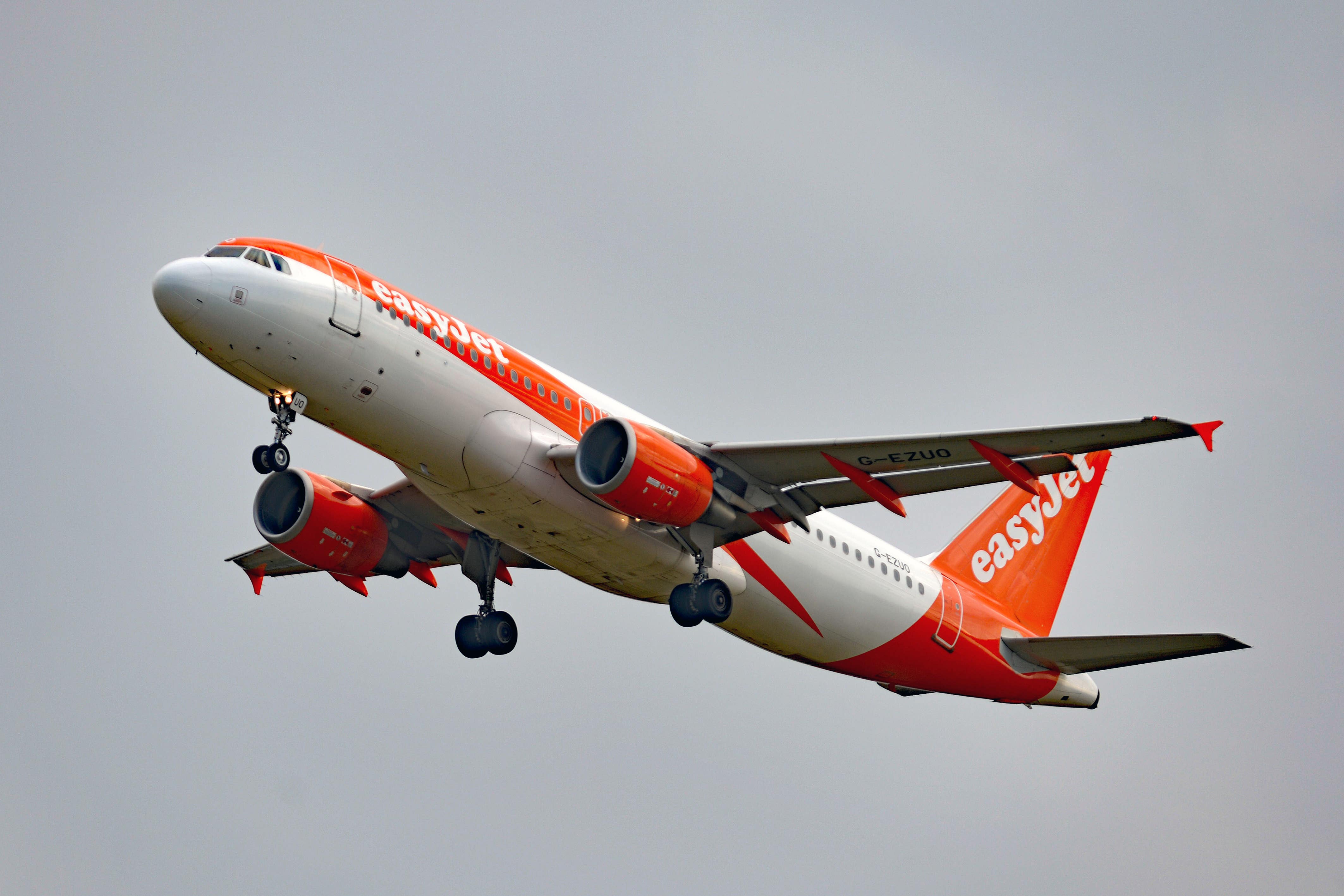
While these events often make headlines, it’s important to recognize their rarity. Airlines like EasyJet design emergency protocols to ensure that when issues arise, passengers and crew are protected. Emergency landings highlight the effectiveness of aviation safety systems and pilot training, showing that safety is always the top priority.
FAQs
Q1. What usually causes an EasyJet flight emergency landing?
Most emergency landings happen due to technical issues, medical emergencies on board, or sudden severe weather conditions.
Q2. How does EasyJet ensure passenger safety during an emergency landing?
EasyJet crews follow strict safety protocols, communicate clearly, and coordinate with emergency services to ensure a safe landing.
Q3. Should passengers panic during an emergency landing?
No. Staying calm, following crew instructions, and adopting the brace position ensures safety and minimizes risk during the landing.
Conclusion
Emergency landings, while alarming, are a controlled response to ensure passenger safety. EasyJet handles such situations with professionalism, training, and coordination with emergency services. Passengers who remain calm, follow instructions, and trust the crew can navigate the experience safely. Whether caused by technical issues, medical emergencies, or environmental factors, EasyJet flight emergency landing procedures demonstrate the airline’s commitment to aviation safety and passenger well-being.
