

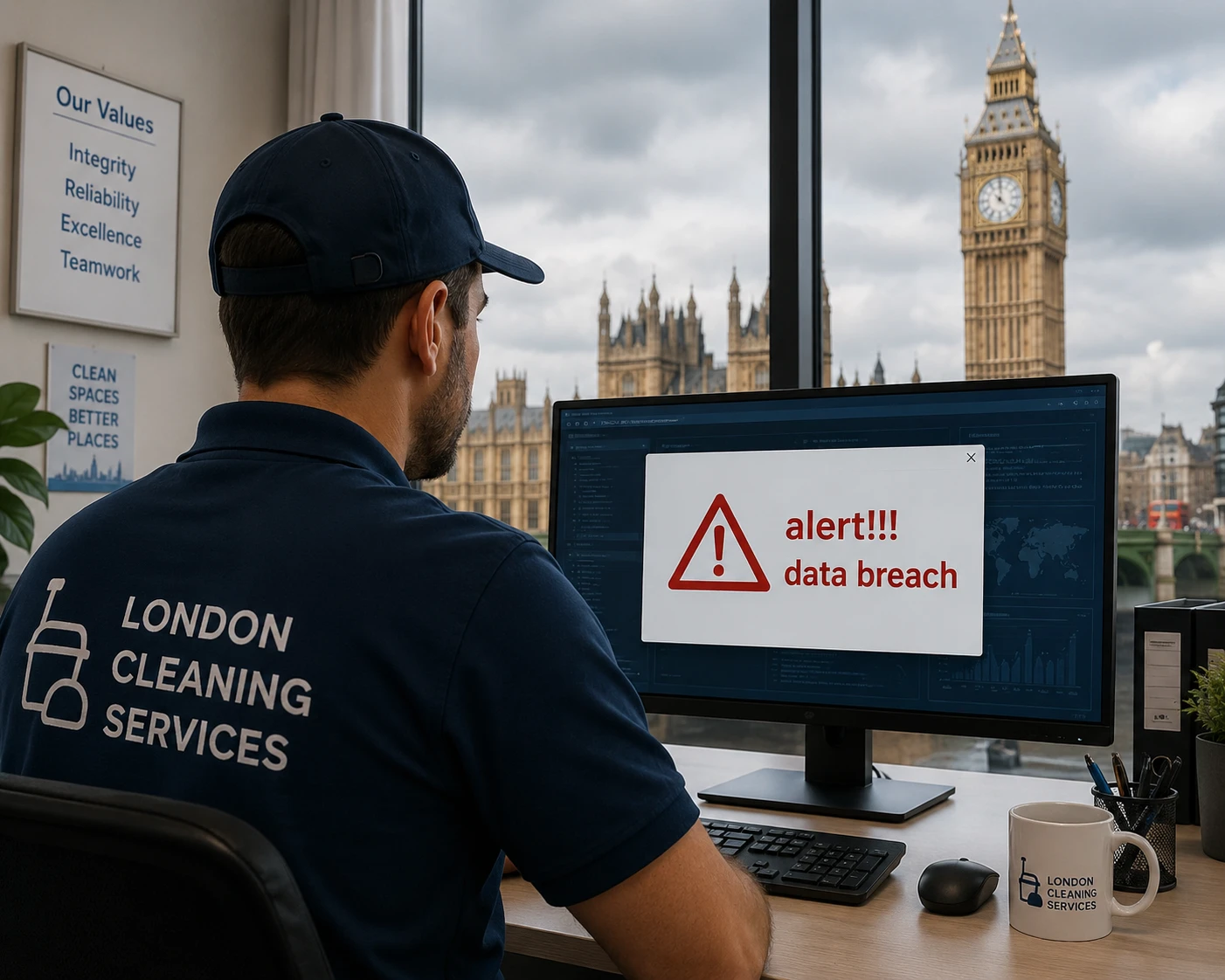
Cleaning companies handle more than mops and schedules. Every booking taken, every client address stored, and every payment processed creates a trail of personal data that needs to be protected.
As cleaning businesses grow and move their operations online, data security has become just as important as the quality of the service itself. This article covers the main risks, what the law requires, and how responsible cleaning companies manage client data safely.
Why Cleaning Companies Are a Target for Data Breaches
Many small cleaning businesses assume they are too small to attract attention from cybercriminals. That assumption is wrong, and it leaves client information exposed.
Main cleaning companies in London collect a significant amount of sensitive information:
- Full names and home addresses;
- Phone numbers and email addresses;
- Payment card details and bank information;
- Entry instructions, key codes, and access arrangements;
- Booking history and property details.
This combination of personal and property data is valuable. Criminals can use it for identity theft, fraud, or even burglary. Larger cleaning operations that serve hundreds of clients become particularly attractive targets because one breach can expose a large volume of records at once.
Smaller businesses are also targeted precisely because their defences tend to be weaker. A one-person operation using a shared email account and a basic spreadsheet to manage bookings is far more vulnerable than a company using encrypted software with access controls.
Common Data Security Risks in the Cleaning Industry
Most breaches in small service businesses do not come from sophisticated attacks. They come from everyday mistakes and outdated practices.
The most common risks include:
- Storing client data in unprotected spreadsheets or paper records;
- Using weak or shared passwords across multiple accounts;
- Sending booking confirmations with personal details over unsecured email;
- Failing to delete old client records that are no longer needed;
- Staff accessing client information on personal devices without security controls.
Third-party software also introduces risk. Booking platforms, payment processors, and scheduling tools all hold client data on behalf of the cleaning business. If those providers are not properly vetted, a weakness in their systems becomes a weakness in yours.
Physical security matters too. Paper records left in an unlocked office, or a laptop left in an unattended van, can expose client data just as easily as a cyberattack.
GDPR Compliance for Cleaning Businesses: Key Requirements
Any cleaning company operating in the United Kingdom must follow the rules set out under UK GDPR. These rules apply regardless of business size, and ignorance of them is not a valid defence.
The core requirements are straightforward:
- Only collect data that is genuinely needed for the service;
- Tell clients what data is collected and how it will be used;
- Store data securely and limit who can access it;
- Delete records when they are no longer needed;
- Report any data breach to the ICO within 72 hours of discovery.
Cleaning businesses must also have a lawful reason for processing each type of data. A booking confirmation requires a name and address. Marketing emails require separate consent. Mixing these up is one of the most common compliance mistakes in the industry.
Having a written privacy policy is not optional. Clients have the right to ask what data is held about them, and businesses must be able to respond clearly and promptly.
End of Tenancy Cleaning in London: How Reliable Companies Handle Your Data
Booking an end of tenancy cleaning service often involves sharing more information than a standard clean. Clients provide property addresses, landlord contact details, tenancy end dates, and sometimes key collection arrangements. All of that information needs to be handled carefully.
A trustworthy end of tenancy cleaning company in London will have clear data practices in place before you make a booking. Their website should include a privacy policy that explains what is collected, how long records are kept, and who has access to client information. Payment should be processed through a secure and recognised platform, not via bank transfer to a personal account.
When searching for the end of tenancy cleaning near me, it is worth checking not just reviews and pricing, but also how the company communicates about data. A business that is transparent about its policies is more likely to treat your property and your personal information with equal care.
Data security is not a concern reserved for large corporations. Cleaning companies of every size collect personal information, and every one of them has a responsibility to protect it. Strong passwords, secure software, clear privacy policies, and staff awareness all contribute to a safer operation for both the business and its clients.
Busy Bee Clean is a London-based cleaning company that provides professional end of tenancy cleaning and commercial cleaning services with clear booking processes and transparent client communication. To find out more or arrange a clean, visit busybeeclean.co.uk.
