


If you’ve ever driven long distances across the United States especially through the South you’ve likely seen huge, bustling travel centres with dozens of fuel pumps, gigantic shops and crowds of people snapping selfies beside a smiling beaver logo. These are Buc‑ee’s, and they are unlike any other petrol station or convenience store chain in America.
But who created this roadside phenomenon? Who is the Buc‑ee’s owner, and what made his idea explode into a brand with a cult‑like following? In this article, we’ll explore the origins of Buc‑ee’s, the founder’s personal journey, how the business scaled into a multi‑state powerhouse, and why it continues to dominate conversations about travel centres. By the end, you’ll understand not just who the owner is, but why Buc‑ee’s has become a cultural and commercial sensation.
The Buc‑ee’s Owner: Arch “Beaver” Aplin III
The single most important name in the history of Buc‑ee’s is Arch “Beaver” Aplin III, the founder and owner of Buc‑ee’s Holdings, Inc. Aplin isn’t just a figurehead; he is the visionary whose values shaped the brand from its earliest days.
Born and raised in Southeast Texas, Aplin graduated from Texas A&M University in 1980 with a degree in construction science a background that helped him design and build larger‑than‑normal travel centres later in life. Early on he worked with his father’s construction business, which gave him practical insight into operations and logistics before starting his own venture.
His childhood nickname “Beaver” combined with his love for a pet labrador named Buck inspired the name “Buc‑ee’s”, blending personal identity with playful branding.
How Buc‑ee’s Started: The Early Days (1982)
Aplin and his business partner Don Wasek opened the first Buc‑ee’s in Lake Jackson, Texas in 1982. What began as a modest petrol station and convenience store was built with one simple mission: to deliver consistently clean, friendly and pleasant experiences for travellers.
At a time when most petrol station restrooms were often unkempt or unpleasant, Aplin made cleanliness a priority. It became a foundational element of the brand a key differentiator that people still rave about today.
Growth Through Innovation and Experience
Unlike traditional petrol stations that focused solely on fuel and quick purchases, Buc‑ee’s under Aplin adopted a destination mindset. Stores were designed to be:
- Huge, open and inviting spaces with a wide variety of products
- Clean, award‑winning restrooms — a feature that became synonymous with the brand
- Fresh food offerings, from brisket sandwiches to bakery snacks
- Branded merchandise that sparked devoted customer loyalty
This focus on experience over utility fundamentally changed people’s expectations of what a petrol station could be.
Buc‑ee’s: A Travel Centre Phenomenon
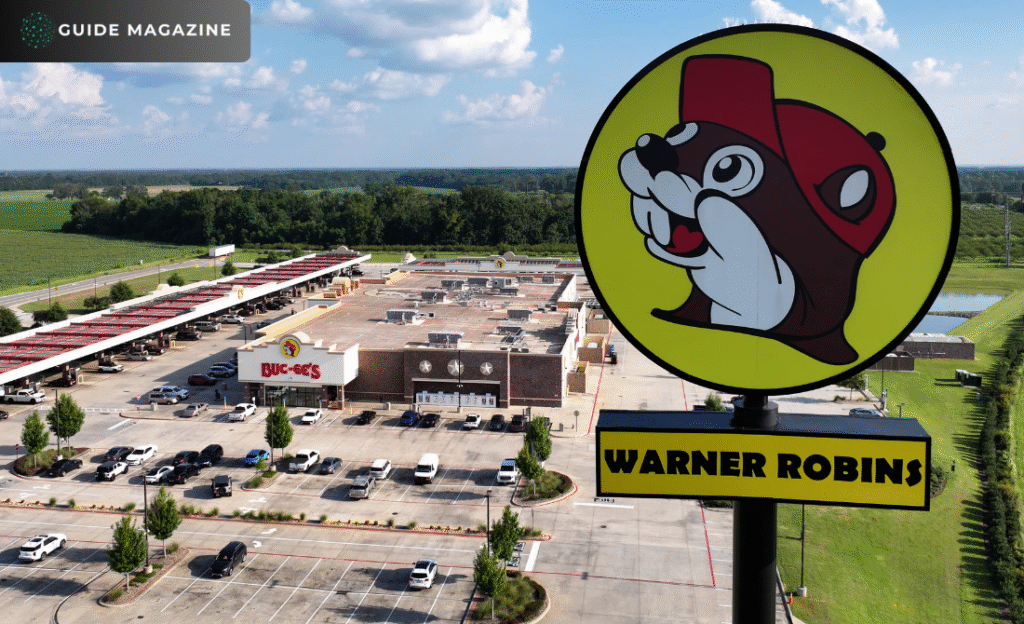
As Buc‑ee’s expanded, its travel centres grew beyond the size of typical petrol stations. Many locations now exceed 70,000 square feet larger than some supermarkets with dozens of fuel pumps and long queues of visitors arriving daily.
The brand has opened stores in over ten states beyond Texas including Alabama, Florida, Georgia, Tennessee, Missouri, Colorado and more although Texas remains its largest market.
This rapid expansion reflects not just good business sense, but a strategy deeply rooted in customer experience something Aplin insists remains non‑negotiable.
Buc‑ee’s Revenue, Business Model, and Culture
Because Buc‑ee’s is privately held, it does not publicly disclose audited financials like a publicly traded company would. That means there’s no official annual revenue figure released to the public.
However, multiple industry analysts estimate the brand generates billions in annual revenue, with figures widely reported between $2.5 billion to estimates as high as $15 billion, depending on assumptions about sales per store and fuel volume.
Here’s why Buc‑ee’s business model works so well:
- Direct control of all locations (no franchising) ensures consistent quality
- Private‑label products, including famous snacks like Beaver Nuggets
- Large‑format stores that feel more like a destination than a gas stop
- Customer‑centric culture that emphasises clean facilities and friendly service
This model has built a dedicated fan base and allowed Buc‑ee’s to grow without sacrificing quality something many franchised chains struggle with.
Culture and Brand: Not Just a Petrol Station
Part of Boc‑ee’s success stems from its powerful branding. The beaver mascot friendly, cheeky and instantly recognisable has become a cultural icon among road travellers. Billboards featuring Buc‑ee’s mascots are a familiar sight on highways throughout the South, and tourists often plan trips specifically to visit unique locations.
Many towns actively compete to bring a Buc‑ee’s travel centre to their region, citing not just convenience but economic benefit, job creation and increased tax revenue.
Philanthropy and Personal Legacy of the Owner
Beyond business, Arch Aplin has invested significantly in education and community development. In 2025, he committed $60 million to establish an immersive hospitality and business learning centre at Texas A&M University, bringing his entrepreneurial spirit full circle.
This reflects a personal philosophy rooted in giving back aligning with the values that shaped Buc‑ee’s culture from day one.
What Competitors and Analysts Say
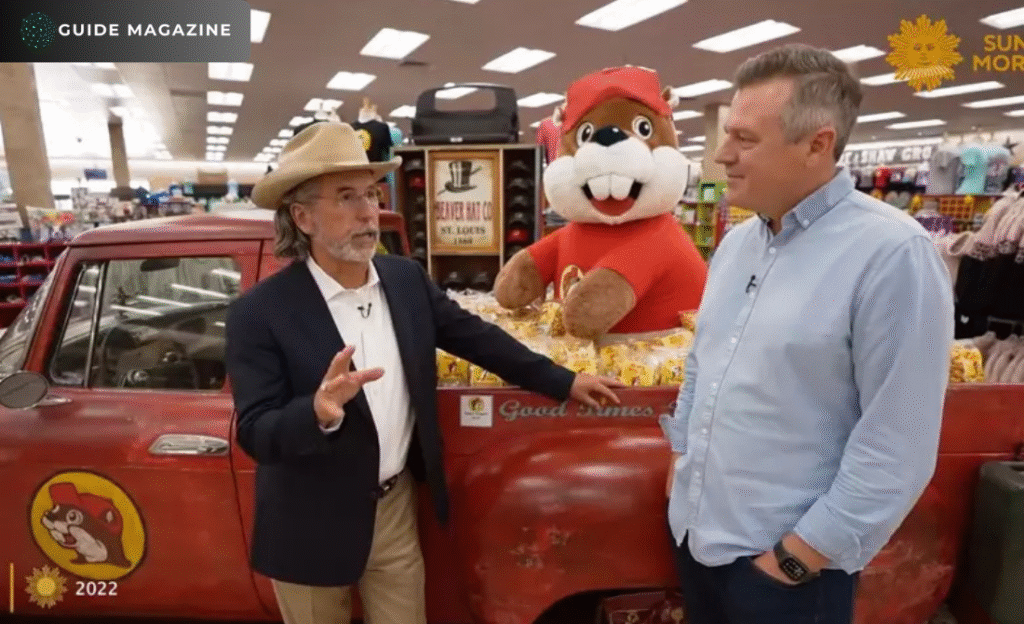
Industry observers including Forbes and retail analysts note Buc‑ee’s success stems from its willingness to defy norms. Rather than discounting products or relying on truck traffic, Buc‑ee’s:
- Targets a broad, diversified travel customer base
- Maintains strict cleanliness and service standards
- Avoids franchising to keep quality and brand promise intact
These decisions helped Buc‑ee’s build a “cult‑like” following unmatched by conventional convenience store chains.
FAQs
Q1. Who owns Buc‑ee’s?
Buc‑ee’s is owned by Arch “Beaver” Aplin III, who co‑founded the company and remains deeply involved in its operations.
Q2. What makes Buc‑ee’s so successful?
Its success is driven by a unique customer‑experience focus: huge stores, clean restrooms, fresh food and merchandise, and a culture centred on excellence.
Q3. Is Buc‑ee’s profitable?
Exact figures aren’t publicly disclosed (it’s a private company), but industry estimates place its annual revenue in the multi‑billion‑dollar range.
Conclusion
The story of who the Buc‑ee’s owner is isn’t just about a businessman who built a petrol station — it’s the tale of Arch “Beaver” Aplin III, whose vision redefined roadside travel in America. His focus on experience, quality and customer delight transformed a modest convenience store into a multi‑state icon.
Whether you’re a Buc‑ee’s fan or simply curious about how brands achieve lasting success, the journey of Buc‑ee’s offers valuable lessons in vision, determination and customer‑first thinking.
