

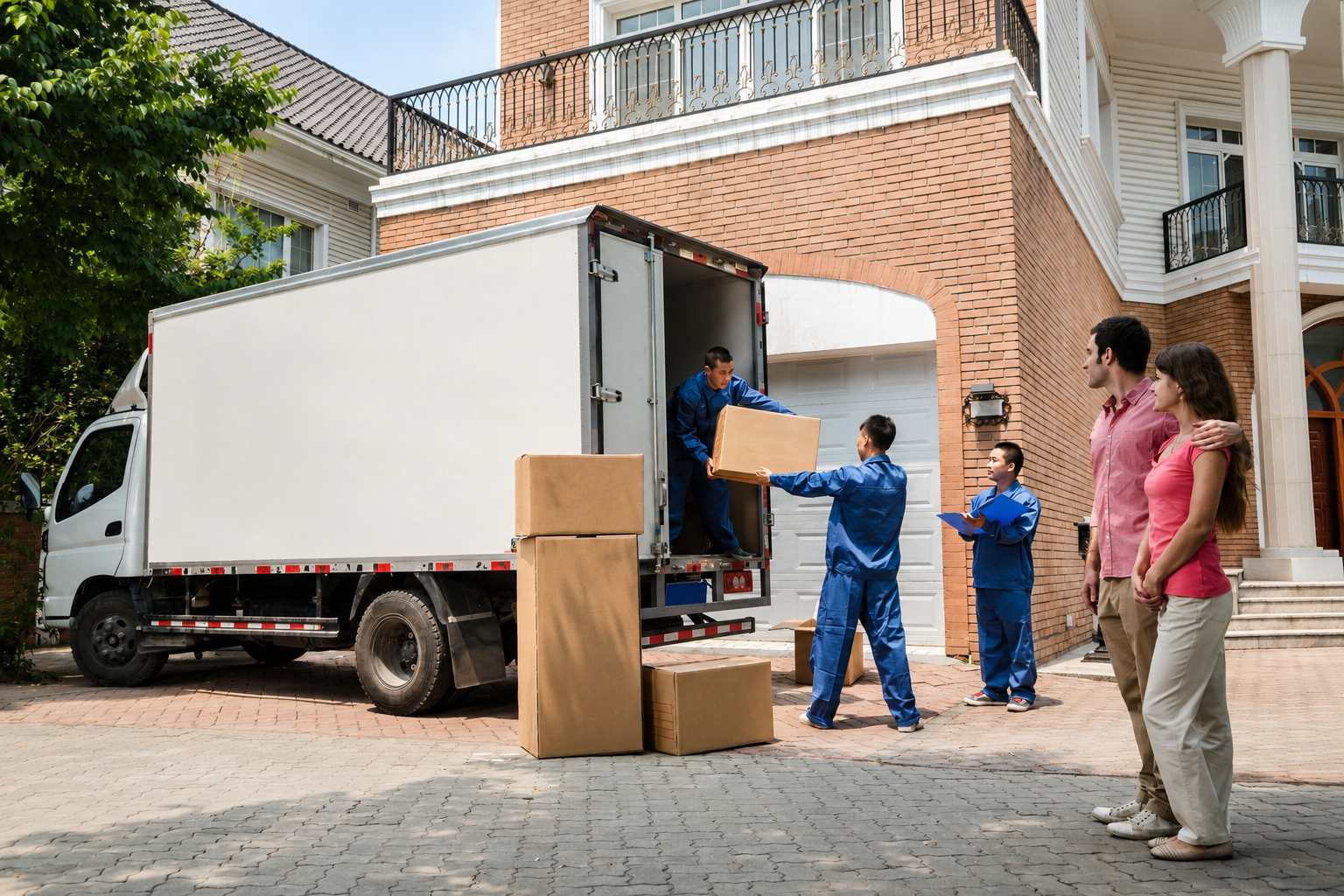
Moving to a new home requires completing dozens of tasks within a limited timeframe. Without a clear plan, packing belongings, arranging transportation, updating addresses, and coordinating utility services can quickly become overwhelming. Staying organized throughout the process helps reduce stress, minimize the risk of forgetting tasks, and make unpacking much more efficient. A few practical strategies can significantly impact the experience before, during, and after moving day.
Create a detailed moving checklist and timeline
One of the most effective ways to stay organized is to prepare a comprehensive moving to Alberta checklist. Rather than trying to remember every task, write down everything that needs to be completed and assign target dates. Your checklist may include booking a moving company, collecting packing supplies, notifying utility providers, changing your mailing address, arranging childcare or pet care for moving day, and cleaning the old property. Breaking the relocation process into weekly or daily tasks makes it feel more manageable. Crossing completed items off the list reduces the chance of overlooking important responsibilities.
Label boxes clearly and pack by room
Properly labeling your boxes will save you a considerable amount of time when unpacking. Each box should indicate its contents and the room to which it belongs. For example, labels such as “Kitchen – Glassware,” “Bedroom – Winter Clothes,” or “Office – Documents” allow movers to put boxes directly in the correct rooms. A color-coded or numbered box system linked to an inventory list makes it easier to locate specific belongings without opening multiple boxes. Clearly mark fragile items so they receive proper handling during transport. Packing room by room rather than mixing household items also simplifies the unpacking process, allowing you to organize each area of your new home systematically.
Separate essential documents and everyday necessities
Some belongings should never be packed deep inside the moving truck, so keep these documents accessible during the move:
- passports,
- identification cards,
- insurance papers,
- medical records,
- property documents,
- contracts,
- financial information.
Similarly, prepare an “essentials box” or overnight bag containing medications, chargers, toiletries, basic kitchen items, a change of clothes, snacks, bottled water, and any other items you will need during the first 24 to 48 hours after you arrive. Having these items readily available will prevent you from having to search for them while the rest of your belongings are still packed.
Declutter before packing
Relocation provides an excellent opportunity to reduce the number of possessions being moved. Sorting your belongings before packing allows you to donate, recycle or dispose of items that are no longer useful. Fewer belongings mean fewer boxes and less time spent packing and unpacking. Decluttering room by room also makes it easier to organize your belongings logically. Rather than transferring unnecessary items to your new home, you can start fresh with a cleaner, more functional living space.
