

Self-care has undergone a significant rebranding, and not entirely for the better. The term entered healthcare as a way to describe patients taking active responsibility for managing their own conditions. It travelled through wellness culture and emerged on the other side with a much narrower meaning: a bath, a face mask, a scented candle.
The version gaining ground now is neither of these exactly. It’s more practical, more medically grounded, and more honest about what women actually need to sustain their health over time. It starts from a different premise: that caring for yourself isn’t a luxury to be scheduled in the margins, and it isn’t reducible to products and rituals. It’s the ongoing work of attending to your physical and mental health with the same thoroughness you’d apply to anything else that matters.
The Shift Away From Performance
One thing has changed: the relationship between self-care and visibility. The earlier wave of wellness culture produced a highly photographable version of self-care: the green smoothie, the yoga mat by the sunrise, the elaborate skincare routine captured in a flat-lay. Self-care became its own category, and doing it right meant doing it visibly.
The women who’ve moved past this tend to describe their current approach in less aesthetically deliberate terms. They sleep consistently because they’ve noticed what chronic sleep insufficiency does to their mood and their capacity. They exercise because it regulates their energy, not for a specific outcome. They attend to their health when something feels off rather than waiting until it’s acute. None of this photographs particularly well, and that seems to be part of the point.
Health Literacy as a Form of Self-Care
One of the most significant shifts is toward health literacy: understanding enough about your body and the conditions that affect it to advocate effectively for your care, make informed treatment decisions, and recognise when something warrants professional assessment.
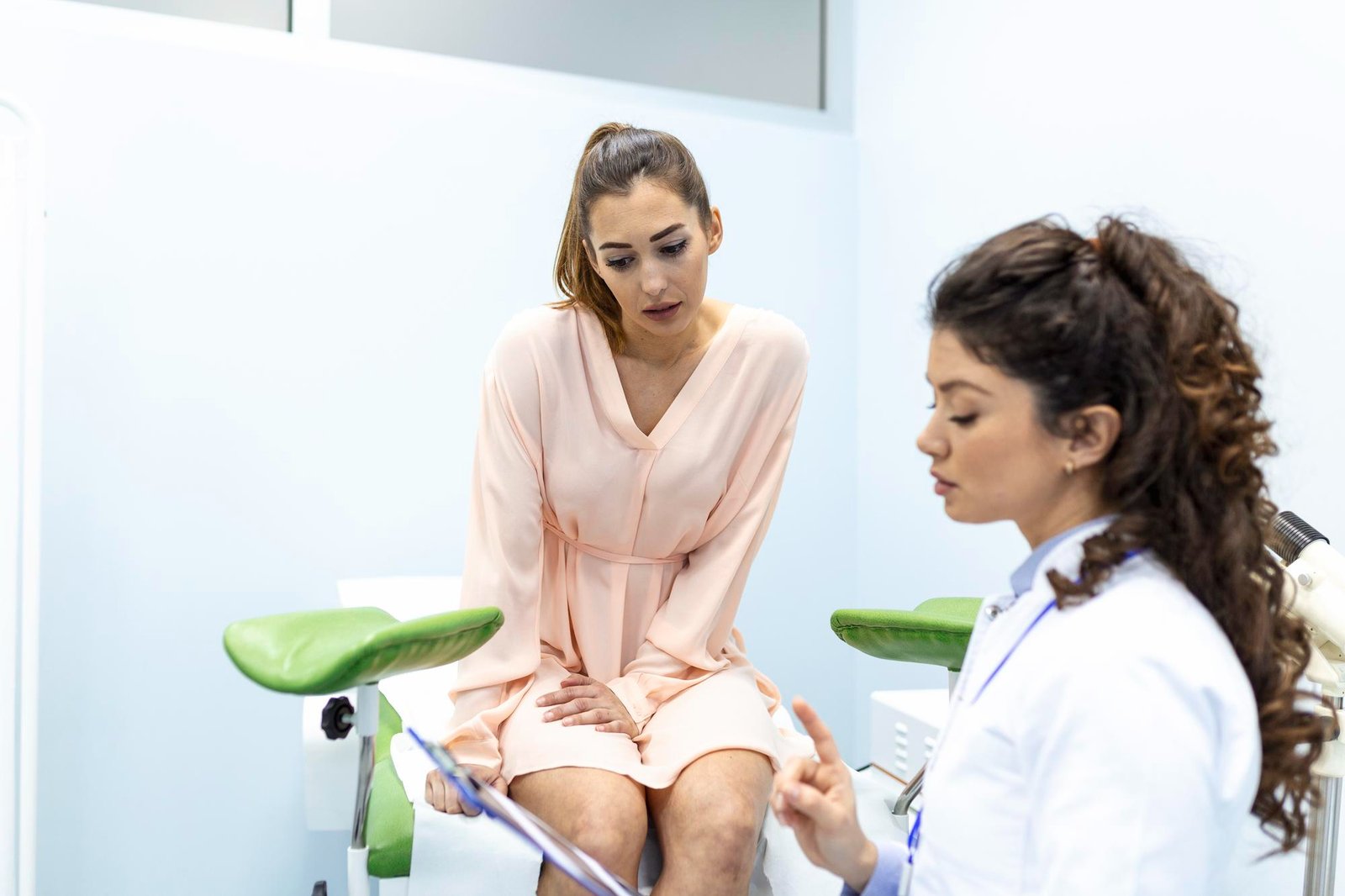
This is more consequential than it might sound. Women who enter a clinical encounter with specific knowledge about their symptoms, a clear account of how long they’ve been present, and some understanding of what conditions it might reflect receive better care than those who present vague concerns without context. The healthcare system rewards specificity, and building the capacity to provide it is a form of self-care with direct health outcomes.
For hormonal conditions in particular, health literacy significantly changes the clinical dynamic. PCOS, endometriosis, perimenopausal changes, and thyroid dysfunction all share the characteristic of being underdiagnosed, partially because their symptoms are easy to attribute to other causes, and partially because women who haven’t encountered clinical descriptions of the conditions may not realise their experience is worth investigating. A woman who knows what PCOS looks like, who recognises the specific pattern of her symptoms in that description, and who asks her GP specifically about it rather than describing a general sense of something being wrong, is more likely to receive an accurate assessment.
Treating Symptoms as Data, Not Inconveniences
A recurring theme in how modern women describe their approach to health is the shift from tolerating symptoms to investigating them. Not every symptom warrants immediate medical attention, and health anxiety that generates constant investigation of normal variation is counterproductive. But the pattern of explaining away or minimising symptoms that have been present for months or years, particularly hormonal symptoms, is one that the most health-literate women are actively resisting.
PCOS treatment is a useful example of what changes when people investigate symptoms rather than tolerate them. Women with PCOS often spend years managing its individual manifestations- irregular periods, acne, fatigue, difficulty managing weight- without anyone connecting them to a single underlying condition. When the connection is made, and a diagnosis is confirmed, the treatment options become considerably more targeted: hormonal management to regulate the cycle, dietary approaches that address the insulin resistance that underlies many PCOS presentations, medical support where fertility is a concern, and psychological support for the body image and mental health impacts that the condition consistently produces.
The difference between a decade of managing symptoms individually and a treatment plan built around understanding the condition is significant, and it starts with treating those symptoms as information rather than inconveniences.
Boundaries as a Health Intervention
Something that doesn’t feature prominently in conventional health discussions, but that women consistently identify as consequential for their health, is managing what they take on. Chronic stress, which has direct physiological effects including elevated cortisol, disrupted sleep, impaired immune function, and hormonal dysregulation, is often sustained by an inability or unwillingness to limit commitments and demands on time and energy.
This is a systemic issue with individual responses. The structural factors that place disproportionate caregiving, emotional labour, and professional pressure on women aren’t resolved by better self-care. But within the constraints that exist, the women who manage their health most effectively tend to be those who treat their own capacity as a limited resource that requires active management rather than an unlimited supply to be drawn down.
This doesn’t map neatly onto any particular self-care practice. It’s a relationship with time and energy that produces different decisions about what to agree to, when to rest, and when to seek support rather than continuing to manage independently.
The Practical Definition
The emerging redefinition of self-care, the one that seems most coherent and useful, is something like this: the consistent practice of attending to physical and mental health with enough seriousness that it doesn’t get permanently deferred in favour of everything else.
This means different things for different women at different stages. For some it means finally investigating symptoms that have been present for years. For others, it’s establishing the sleep and stress-management habits that make everything else sustainable. For others, it’s still seeking specialist care for conditions that haven’t been adequately addressed in general practice. None of it requires a particular aesthetic, a specific product, or a photographable moment.
