

Before any athletic garment reaches bulk production, it goes through a series of sample rounds to refine fit, performance, and construction. From the initial proto sample to the final shipment sample, each stage plays a critical role in ensuring the product meets both technical standards and brand expectations.
Sample Development
During the sample development stage, the product begins with the Proto Sample and progresses through the Fit Sample, with the ultimate goal of creating a fully realized sample that brings the customer’s idea to life and stays as close as possible to the original concept. From this initial version, the team goes through iterative refinements to improve fit, proportions, silhouette, and construction details, aiming to achieve the right balance between design intent, functionality, and wearer experience, especially critical for athletic apparel where performance and comfort are key. At this stage, an experienced cut and sew manufacturer can provide valuable technical input, helping brands refine designs while ensuring they remain practical and scalable for production.
Beyond refining the look and fit, this stage also plays a crucial role in optimizing the product for mass production. Each adjustment made during the fit process must consider real production feasibility, as the garment will later be manufactured across multiple production lines with different operators. Therefore, elements such as stitching methods, construction complexity, and assembly processes need to be optimized to suit a wide range of workers, ensuring consistent quality across bulk production, while maintaining efficient lead time and stable output. This stage is also essential for identifying and resolving potential production challenges early, making the transition from development to large-scale manufacturing smoother and more reliable.
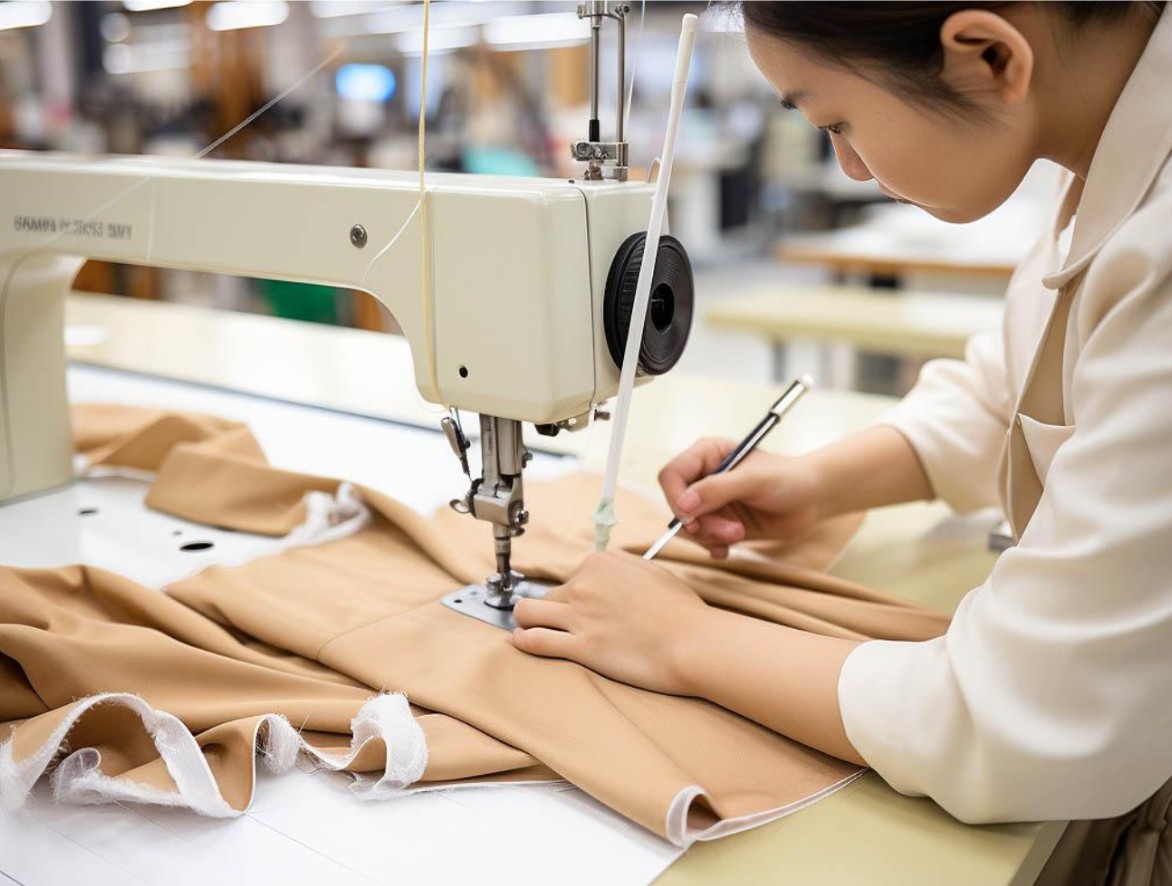 During the sample development stage, the product begins with the Proto Sample and progresses through the Fit Sample
Pre-Production (PP) Sample
The Pre-Production (PP) Sample is the final approved sample before bulk production begins. It represents the closest possible version of the actual product, as it is made using final fabrics, trims, colors, and approved construction methods, exactly as they will be used in mass production.
This sample serves as the last and most critical checkpoint in the development process. Its main purpose is to confirm that all previous adjustments from proto and fit samples have been correctly applied, and that the product is fully ready for scaling into production without further technical changes.
At this stage, the garment must match the approved fit, measurements, and construction precisely. All details are carefully reviewed, including fabric quality, color accuracy, stitching quality, seam strength, and finishing standards, to ensure they meet the brand’s requirements. Even small deviations are not acceptable, as this sample will act as the reference standard for bulk production.
The PP Sample also ensures that the product is fully aligned with production reality, meaning it has been tested under conditions that reflect actual manufacturing. This includes confirming that the design can be consistently replicated across production lines, maintaining uniform quality, efficiency, and stability in output.
For athletic clothing manufacturers, the PP Sample serves as a critical validation tool, helping ensure that performance, fit, durability, and construction standards can be consistently maintained throughout large-scale production.
Once approved, the PP Sample becomes the benchmark for bulk production, meaning every piece produced must match this sample in terms of fit, appearance, and quality. For athletic apparel, this step is especially important to guarantee that performance, durability, and comfort are maintained consistently across large-scale production, ensuring a smooth transition from development to final delivery.
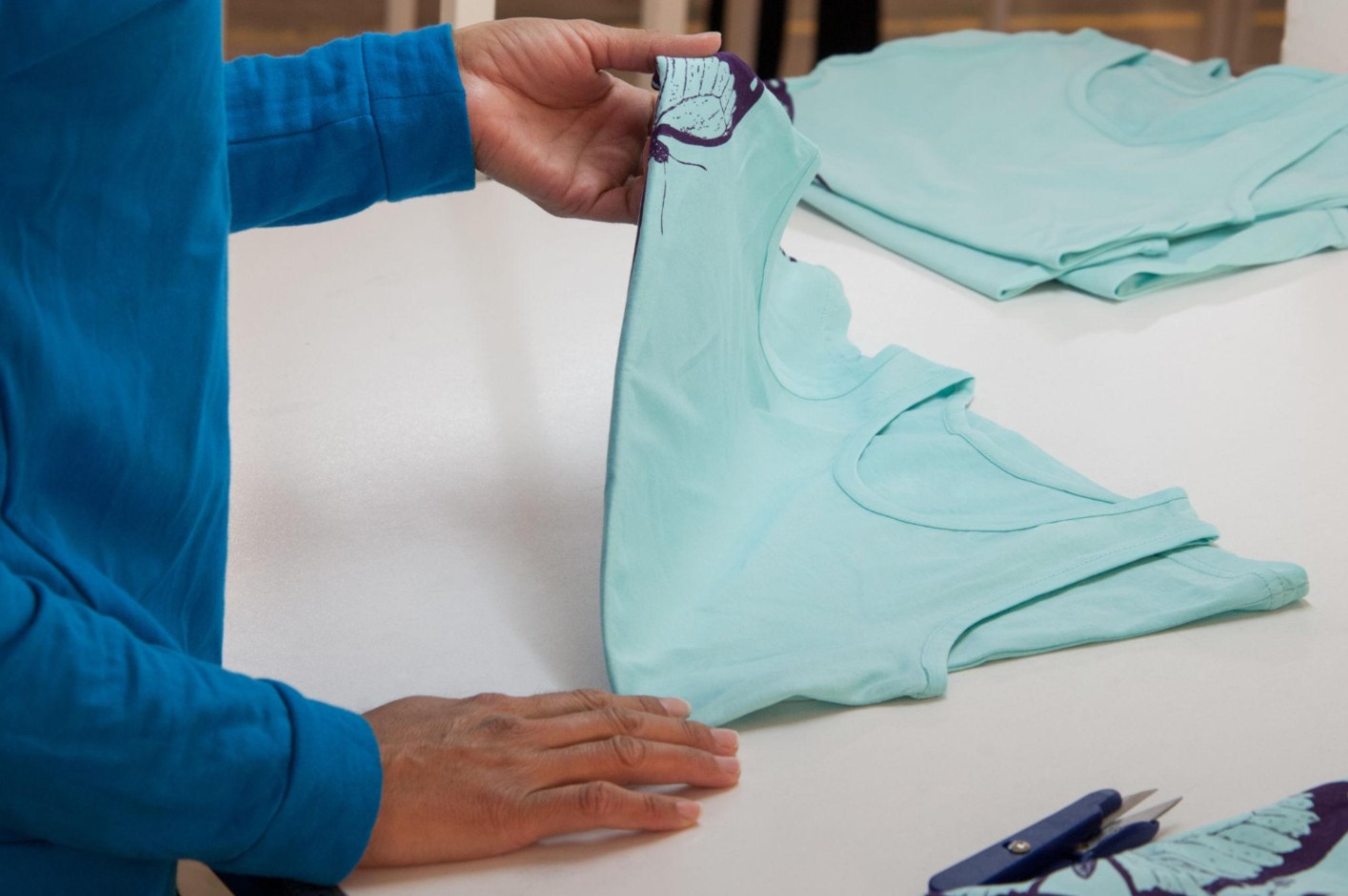 The Pre-Production (PP) Sample is the final approved sample before bulk production begins
Shipment Sample
The Shipment Sample is the final reference sample taken from the actual bulk production, typically selected from finished goods before shipping. Unlike previous samples, which are developed and approved during sampling stages, the shipment sample represents the real output of mass production, making it the most accurate reflection of what the customer will receive.
This sample is used to verify that bulk production matches the approved PP Sample in every aspect. It acts as a final confirmation that the factory has successfully replicated the product at scale, maintaining consistent quality, fit, and construction across all units produced.
At this stage, the garment is checked for any variations or defects that may have occurred during mass production, such as inconsistencies in stitching, fabric, measurements, color, or finishing. It ensures that the product meets the agreed quality standards and technical specifications, and that no deviations have been introduced during the production process.
The Shipment Sample is also important for final approval from the brand, serving as proof that the goods are ready to be shipped and delivered. In some cases, it is used as a reference for quality control teams or clients, especially when monitoring long-term supplier performance or ensuring consistency across multiple orders.
For athletic apparel, this stage confirms that the product not only meets visual and technical requirements, but also maintains performance, durability, and comfort at scale, ensuring that every unit delivered performs consistently as intended.
For athletic apparel – especially fitted categories where a legging manufacturer must ensure stretch, compression, and seam consistency hold up across thousands of units – this stage confirms that the product meets visual and technical requirements while maintaining performance, durability, and comfort at scale.
