


If you’ve ever rented a car and later noticed an unexpected charge labelled ERAC Toll, you’re not alone. Many travellers across the UK and abroad are confused by this fee, often only discovering it after returning their vehicle. This guide is designed to clear up that confusion once and for all.
In simple terms, ERAC Toll refers to the toll processing service linked to rental vehicles—most commonly associated with Enterprise Rent-A-Car (ERAC). But the reality is a bit more complex than a single fee. Charges can vary, additional service costs may apply, and understanding how it all works can save you money and frustration.
In this detailed 2026 guide, you’ll learn exactly what ERAC Toll is, how it works, what you’re really paying for, and—most importantly—how to avoid unnecessary charges. Whether you’re a frequent traveller or renting for the first time, this article will help you stay informed and in control.
What Is ERAC Toll and How Does It Work?
ERAC Toll is essentially a toll management system used by rental car companies to handle road tolls incurred during your rental period. Instead of you paying tolls directly at booths or online, the system automatically tracks toll usage and charges you later through the rental company.
This service is particularly common in regions with electronic tolling systems, where no physical payment is made at the time of driving. Cameras capture the vehicle’s registration, and the toll is billed to the rental company, which then passes the charge on to you—often with an added administrative fee.
The key point many drivers miss is that ERAC Toll isn’t just the toll itself. It usually includes a service charge for processing the payment. This is where costs can quietly increase.
From a practical standpoint, the system is designed for convenience. You don’t need to stop, carry cash, or worry about registering the vehicle yourself. However, that convenience comes at a price, and understanding that trade-off is essential before you drive through a toll road.
ERAC Toll Charges: What You’re Really Paying For
One of the biggest frustrations renters face is not the toll itself—but the additional fees attached to it. When you see an ERAC Toll charge, it typically includes more than just the road fee.
Here’s what you’re usually paying for:
- Actual toll cost – The fee charged by the road authority
- Service or convenience fee – Charged by the rental company
- Daily usage fee (in some cases) – Applied per day you use toll roads
- Administrative processing fee – For handling the transaction
For example, a £2 toll could end up costing you £5–£10 once all fees are included. That’s why many travellers feel surprised when reviewing their final bill.
Some rental agreements cap daily fees, while others apply them per toll event. The difference may seem small, but over a multi-day trip, it can significantly increase your total cost.
Always check your rental agreement carefully. The details are there—but often buried in fine print that most people overlook at the counter.
Payment Methods for ERAC Toll in 2026
Understanding how payments are handled can help you avoid confusion later. ERAC Toll charges are not usually paid immediately; instead, they are processed after your journey.
Here are the common payment methods:
- Automatic billing to your credit/debit card
- Invoice sent after rental completion
- Online toll payment portals (in some regions)
Most drivers will see the charge appear on their card days or even weeks after returning the vehicle. This delay can make it harder to link the charge to a specific journey, which is why keeping track of your routes is useful.
In some locations, you may have the option to opt out of the toll programme and pay tolls manually. However, this requires planning—such as registering the vehicle with a toll authority or paying within a specific time frame.
Choosing the right payment method depends on your travel style. If you value convenience, automatic billing works well. If you prefer saving money, manual payment might be the better option.
Hidden Fees You Should Know About
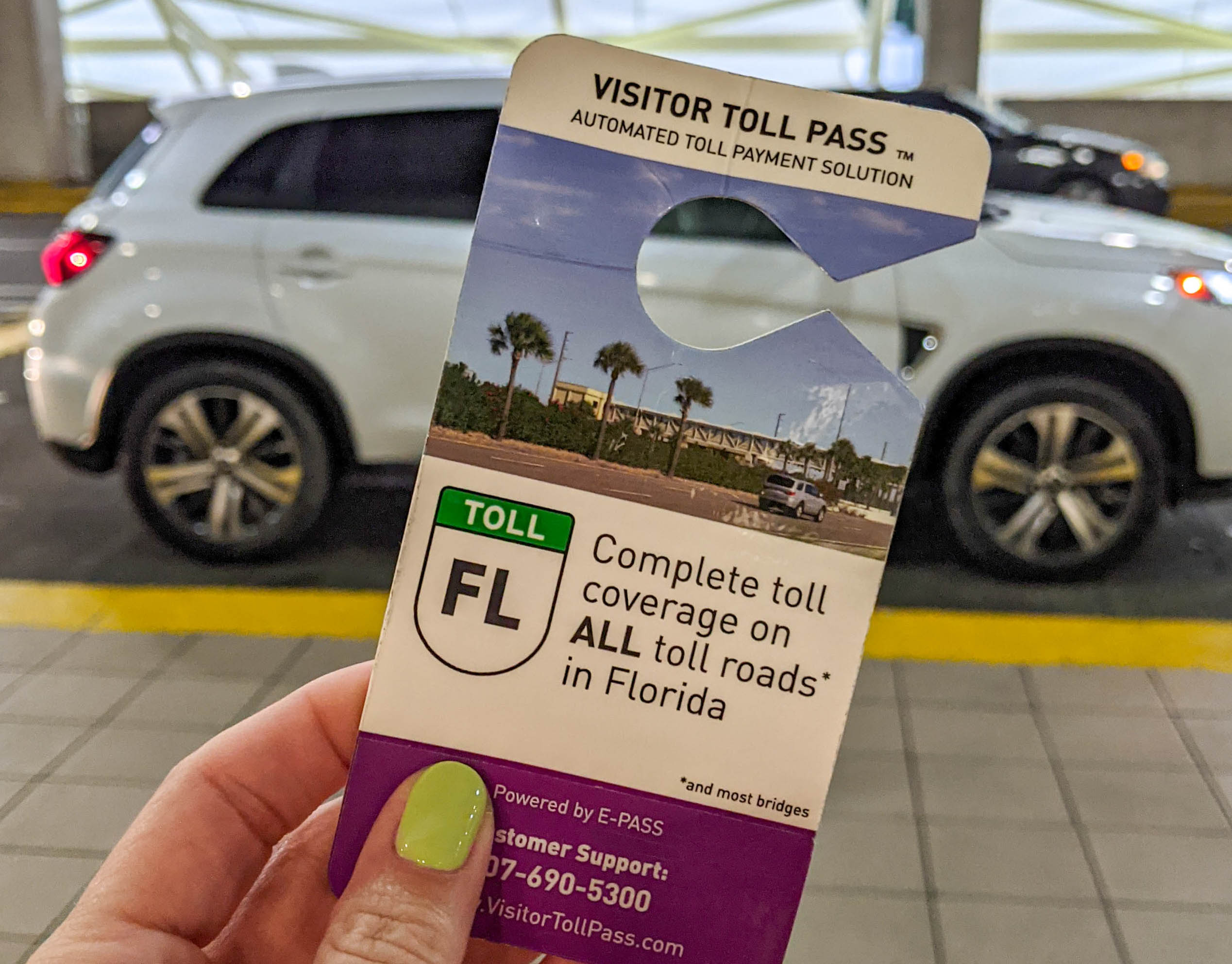
Hidden fees are where most renters feel caught off guard. While ERAC Toll is transparent in principle, the way fees are structured can make them seem unexpected.
Common hidden costs include:
- Daily service charges even for one toll use
- Minimum fee thresholds
- Late payment penalties (if you opt out incorrectly)
- Third-party processing charges
For instance, using a toll road just once could trigger a daily fee for the entire rental period, depending on the agreement. This is particularly common in high-traffic areas.
Another overlooked issue is late fees. If you decline the toll service but forget to pay the toll manually, penalties can be much higher than the original charge.
The lesson here is simple: the cheapest option isn’t always the most obvious one. It depends on how often you plan to use toll roads.
How to Avoid Extra ERAC Toll Charges
Avoiding unnecessary charges isn’t difficult—but it does require a bit of planning before and during your trip.
Here are practical tips that actually work:
- Ask about toll policies at the rental desk
- Choose routes that avoid toll roads when possible
- Use your own toll pass if allowed
- Pay tolls manually if it’s cheaper
- Track your journeys using maps or apps
One effective strategy is to use navigation apps that offer toll-free routes. While they may add a few extra minutes to your journey, they can save you money overall.
If you travel frequently, investing in a personal toll pass can be worthwhile. Some rental companies allow this, though you should confirm compatibility first.
Ultimately, awareness is your biggest advantage. The more you know before driving, the fewer surprises you’ll face later.
Real-Life Example: How Charges Add Up
Let’s look at a simple example to put things into perspective.
Imagine you rent a car for three days and pass through two toll roads, each costing £3. Without additional fees, you’d expect to pay £6.
However, with ERAC Toll, your bill might look like this:
- Toll charges: £6
- Service fees: £3 per day × 3 days = £9
- Total: £15
That’s more than double the original cost.
This example isn’t unusual—it reflects how quickly fees can accumulate. For longer rentals or frequent toll usage, the difference becomes even more noticeable.
Understanding this beforehand helps you make smarter decisions, such as choosing alternative routes or payment methods.
ERAC Toll vs Paying Tolls Yourself
One of the most common questions is whether it’s better to use ERAC Toll or pay tolls independently. The answer depends on your situation.
Using ERAC Toll (Pros & Cons):
- ✔ Convenient and automatic
- ✔ No need to plan payments
- ✖ Higher overall cost
Paying Tolls Yourself:
- ✔ Lower cost in many cases
- ✔ Full control over payments
- ✖ Requires effort and awareness
If you’re on a tight schedule or unfamiliar with the area, ERAC Toll can save time. But if you’re budget-conscious, manual payment is often the smarter choice.
There’s no one-size-fits-all answer—just the option that fits your travel priorities.
Trends in Toll Systems (2026 and Beyond)
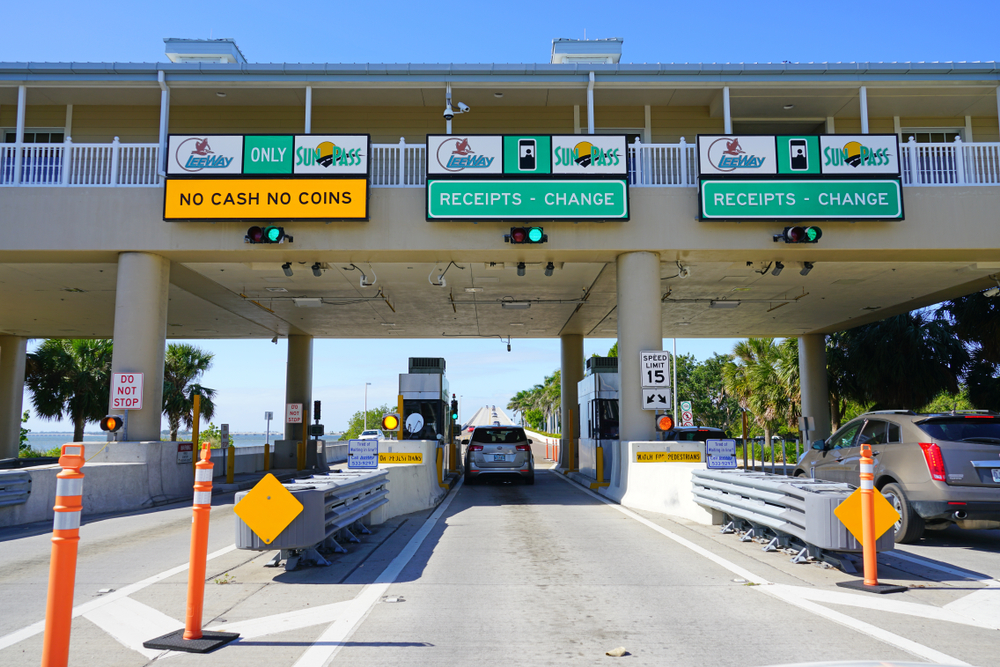
Toll systems are evolving rapidly, especially with the rise of digital infrastructure. In 2026, more regions are adopting fully electronic tolling, removing physical booths altogether.
This shift makes services like ERAC Toll more common—but also more necessary for travellers unfamiliar with local systems.
We’re also seeing improvements such as:
- Real-time toll tracking
- Mobile app integration
- Transparent pricing breakdowns
- Greater user control over billing
In the future, we can expect more flexible options, allowing drivers to choose between convenience and cost more easily.
For now, staying informed remains the best way to navigate these changes.
FAQs
What does ERAC Toll mean on my bill?
It refers to toll charges processed through your rental company, including service fees.
Can I avoid ERAC Toll charges?
Yes, by paying tolls manually or avoiding toll roads altogether.
Why are ERAC Toll fees higher than expected?
Because they often include administrative and daily service charges.
How long does it take for charges to appear?
Usually within a few days to a few weeks after your rental ends.
Is ERAC Toll mandatory?
Not always. In many cases, you can opt out—but you must handle payments yourself.
Conclusion
ERAC Toll is one of those rental car details that seems small—but can make a big difference to your final bill. While the system offers convenience, it often comes with added costs that many drivers don’t anticipate.
The key takeaway is simple: understand your options before you hit the road. Whether you choose automatic billing or manual payment, being informed puts you in control.
