


Switching to a vegetarian diet is a fantastic choice for health, ethics, or the environment, but one question pops up often: what steps should vegetarians take to ensure they get proper levels of protein? Protein is a big deal—it keeps your muscles strong, your immune system humming, and your energy steady. Without meat, it’s totally possible to hit your protein goals, but it takes some know-how. Let’s break down the practical steps to make sure you’re getting enough protein as a vegetarian, with tips that are easy to follow and backed by solid nutrition sense.
Why Protein Is a Must for Vegetarians
Protein builds and repairs tissues, makes enzymes, and supports overall health. The average adult needs about 0.36 grams of protein per pound of body weight daily—think 50-60 grams for a 150-pound person. If you’re active, pregnant, or older, you might need more. Figuring out what steps vegetarians should take to ensure they get proper levels of protein starts with understanding your unique needs and building a plan around them.
Know How Much Protein You Need
First things first: calculate your protein target. A simple way is to multiply your weight in pounds by 0.36 for a baseline. If you’re hitting the gym or running marathons, aim higher—closer to 0.5-0.9 grams per pound. Online calculators or a quick chat with a dietitian can nail this down. Knowing your number is the foundation of what steps vegetarians should take to ensure they get proper levels of protein.
Load Up on Plant-Based Protein Foods
The good news? Plants are packed with protein if you know where to look. Mix and match these sources to keep things interesting and cover all your amino acid bases:
- Beans and Legumes: Lentils (18 grams per cooked cup), black beans (15 grams), and chickpeas (15 grams) are cheap, filling, and versatile.
- Tofu and Tempeh: Tofu’s got 10 grams per half-cup, and tempeh brings 15 grams. Toss them in stir-fries or grill ‘em up.
- Seitan: This wheat protein packs 25 grams per 3.5 ounces and mimics meat in texture.
- Nuts and Seeds: Almonds (7 grams per ounce), pumpkin seeds (10 grams), and chia seeds (5 grams) are snackable and nutrient-dense.
- Grains: Quinoa (14 grams per cup) and oats (6 grams per cup) pull double duty as carbs and protein.
- Veggies: Broccoli (3 grams per cup) and kale (2 grams per cup) chip in small amounts that add up.
Eating a variety of these foods daily is a core part of what steps vegetarians should take to ensure they get proper levels of protein.
Pair Proteins for Better Nutrition
Some plant proteins miss a few essential amino acids, but you can fix that by combining foods. Think rice and beans, hummus with pita, or peanut butter on whole-grain bread. You don’t need to obsess over pairing at every meal—your body pulls amino acids together over the day. This combo strategy is a smart answer to what steps vegetarians should take to ensure they get proper levels of protein.
Consider Protein Powders for Convenience
If you’re always on the go or lifting heavy at the gym, plant-based protein powders can be a lifesaver. Pea, hemp, or rice protein powders deliver 20-30 grams per scoop. Blend them into smoothies or mix into oatmeal. Stick to brands with minimal ingredients to keep it clean. This is an easy hack for what steps vegetarians should take to ensure they get proper levels of protein when life gets hectic.
Plan Your Meals Around Protein
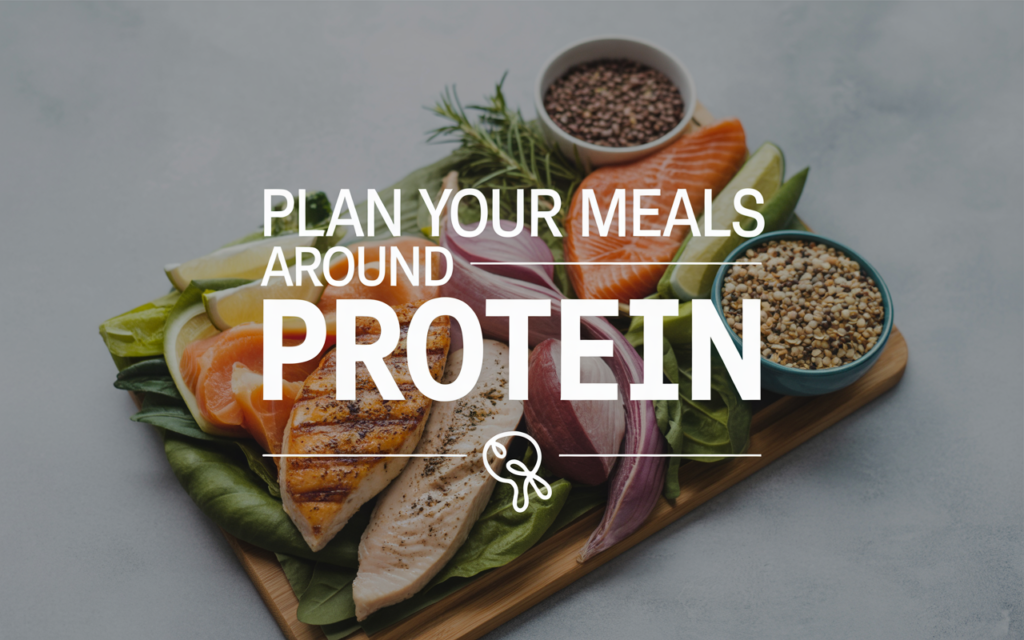
Don’t leave protein to chance—build it into every meal. Here’s a sample day:
- Breakfast: Smoothie with spinach, banana, almond butter, and protein powder.
- Lunch: Lentil soup with a side of whole-grain bread and avocado.
- Dinner: Tofu curry with quinoa and steamed broccoli.
- Snacks: Roasted chickpeas or a handful of almonds.
Planning like this makes what steps vegetarians should take to ensure they get proper levels of protein feel effortless.
Watch for Other Nutrients
Protein doesn’t work alone. Vegetarians need to keep an eye on iron, B12, and omega-3s, which can be lower without meat. Pair protein-rich lentils with vitamin C-rich bell peppers to boost iron absorption. Fortified plant milks or a B12 supplement can cover that base. This big-picture approach ties into what steps vegetarians should take to ensure they get proper levels of protein while staying healthy overall.
Track Your Protein for a Week
Not sure if you’re hitting your protein goal? Use an app like MyFitnessPal to log your meals for a few days. If you’re falling short, add an extra scoop of beans or a protein shake. Tracking keeps you honest and helps fine-tune what steps vegetarians should take to ensure they get proper levels of protein.
Get Expert Advice if Needed

If you’re still worried about protein or have special needs—like pregnancy or intense training—talk to a dietitian. They can analyze your diet and suggest tweaks. Personalized advice is the final piece of what steps vegetarians should take to ensure they get proper levels of protein.
FAQs
Q1: How much protein do vegetarians need daily?
Most need 0.36–0.9 grams per pound of body weight, depending on activity level, easily met with diverse plant foods.
Q2: What are the best vegetarian protein sources?
Top choices include lentils, chickpeas, tofu, tempeh, seitan, nuts, seeds, and grains like quinoa.
Q3: Do vegetarians need protein supplements?
Supplements like pea or hemp protein can help busy or active vegetarians, but whole foods are usually enough.
Q4: How can vegetarians avoid protein deficiency?
Combine foods like rice and beans, track intake with apps, and pair proteins with nutrients like iron or B12.
Q5: Can vegetarians build muscle with plant-based protein?
Yes, with adequate protein from varied sources and strength training, muscle growth is achievable.
Conclusion
Getting enough protein as a vegetarian isn’t hard—it just takes a bit of planning. By knowing your needs, eating diverse plant foods, pairing proteins, using powders when needed, planning meals, watching other nutrients, tracking intake, and seeking expert help, you’ll nail your protein goals. These steps answer what steps should vegetarians take to ensure they get proper levels of protein and set you up for a healthy, vibrant vegetarian life.
