

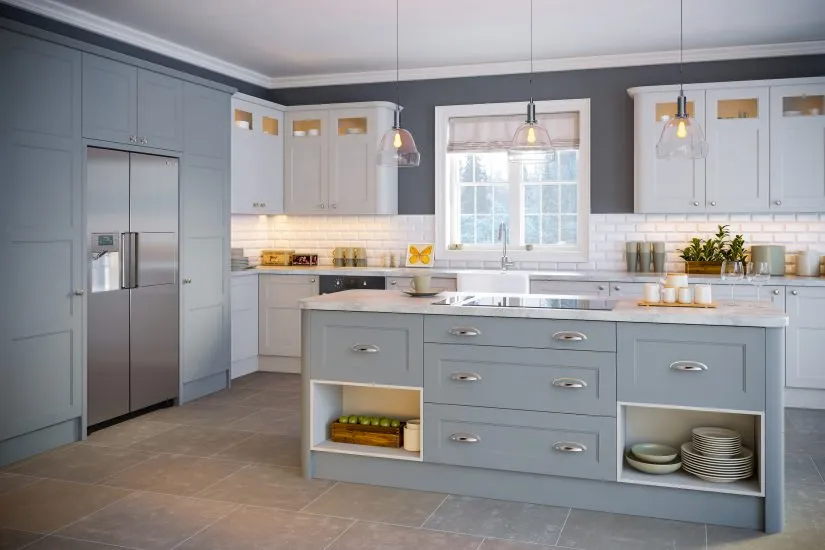
A kitchen can start to feel tired even when its layout still works well. Cabinet doors may look worn, handles can date the room, and older colours may no longer suit the rest of the home. That does not always mean the entire kitchen needs to be replaced.
A selective renovation can improve the appearance of the room while keeping useful cabinets, worktops and services in place. The key is to identify which features have the greatest visual impact and direct the budget towards those areas first.
Assess What Is Still Worth Keeping
Before planning any changes, inspect the existing cabinets carefully. Check for swelling, loose joints, damaged shelves or signs of moisture around the sink and dishwasher.
If the cabinet carcasses are still solid and the layout remains practical, there may be little reason to remove them. Keeping serviceable units can reduce both cost and disruption, especially when plumbing and appliances do not need to be moved.
It is also worth reviewing the condition of worktops and splashbacks. A neutral worktop may still work well with a new cabinet colour.
Use Replacement Doors for the Biggest Visual Change
Cabinet fronts cover a large proportion of most kitchens, so changing them can have a strong effect on the overall appearance. A kitchen door replacement uk project can therefore be a sensible option when the underlying units remain in good condition.
New fronts can introduce a different colour, finish or style without changing the entire room. Shaker designs can add subtle detail, while slab fronts create a cleaner and more contemporary look.
This approach also allows homeowners to focus spending on visible elements rather than replacing structures that are still working properly.
Update Handles and Hinges at the Same Time
Small details can influence the finished result more than expected. Handles, for example, can make older cabinetry look dated even when the doors themselves are in reasonable condition.
New hardware can help the refreshed kitchen feel more coordinated. Slim bar handles may suit a modern scheme, while knobs or cup handles can work well with more traditional cabinetry.
Hinges should also be checked before fitting new fronts. Worn hinges can cause doors to sag or sit unevenly.
Keep the Existing Layout Where Possible
Moving sinks, ovens and other services can increase the cost of a renovation quickly. If the current layout works well, keeping it in place can make the project simpler.
Retaining the same cabinet positions also means measurements are easier to manage. Homeowners can concentrate on replacing the visible fronts and improving smaller details rather than redesigning the room from scratch.
This is particularly useful in compact kitchens where the existing arrangement already makes good use of the available space.
Choose Replacement Doors to Suit the Rest of the Room
When comparing kitchen replacement doors, consider how the new fronts will work with the flooring, worktops, wall colour and lighting already in place.
A strong cabinet colour can look attractive, but it should still complement surrounding materials. Where the worktop is heavily patterned, a simpler door finish may create better balance.
Samples can help with this decision. Viewing colours in the actual kitchen, under both natural and artificial light, gives a more reliable impression than relying only on a screen.
Improve Lighting Before Adding More Decoration
Lighting can change how a kitchen feels without requiring major building work. Poorly lit rooms often appear smaller and more dated than they really are.
Under-cabinet lighting can improve preparation areas, while updated ceiling lighting can make the whole room feel brighter. If darker cabinet fronts are chosen, good lighting becomes even more important.
It is often better to improve lighting before spending money on extra decorative accessories, as the effect can be both practical and noticeable.
Set Aside a Small Contingency
Even a focused renovation can reveal minor issues once old doors or fittings are removed. A damaged hinge, loose shelf or small repair may need attention before the new fronts are fitted.
Keeping part of the budget unallocated helps cover these unexpected costs without affecting the main plan.
It also prevents the project from expanding unnecessarily. Once the essential updates are complete, homeowners can decide whether additional changes are really needed.
Conclusion
Refreshing a kitchen does not have to involve replacing every cabinet, appliance and surface. When the existing layout is functional and the units remain sound, targeted changes can deliver a noticeable improvement for a more controlled budget.
New cabinet fronts, updated hardware, better lighting and careful colour choices can transform the room without creating unnecessary waste or disruption. By keeping what still works and replacing only what genuinely needs attention, homeowners can create a kitchen that feels updated, practical and well suited to everyday use.
